The Air Between Us
Remembering Matthew Shepard

Matthew Shepard was beaten, robbed, tied to a fence, and left in the cold to die outside Laramie, Wyoming, on October 7, 1998. The cruelty of that night still reverberates: shocked, we all felt the pain, the hate, the violence hurled at this gay young man by those who wanted to erase him. They tried to strip him of humanity, but in Matthew we saw our own — our vulnerability, our fragility. We saw each other. We saw ourselves.
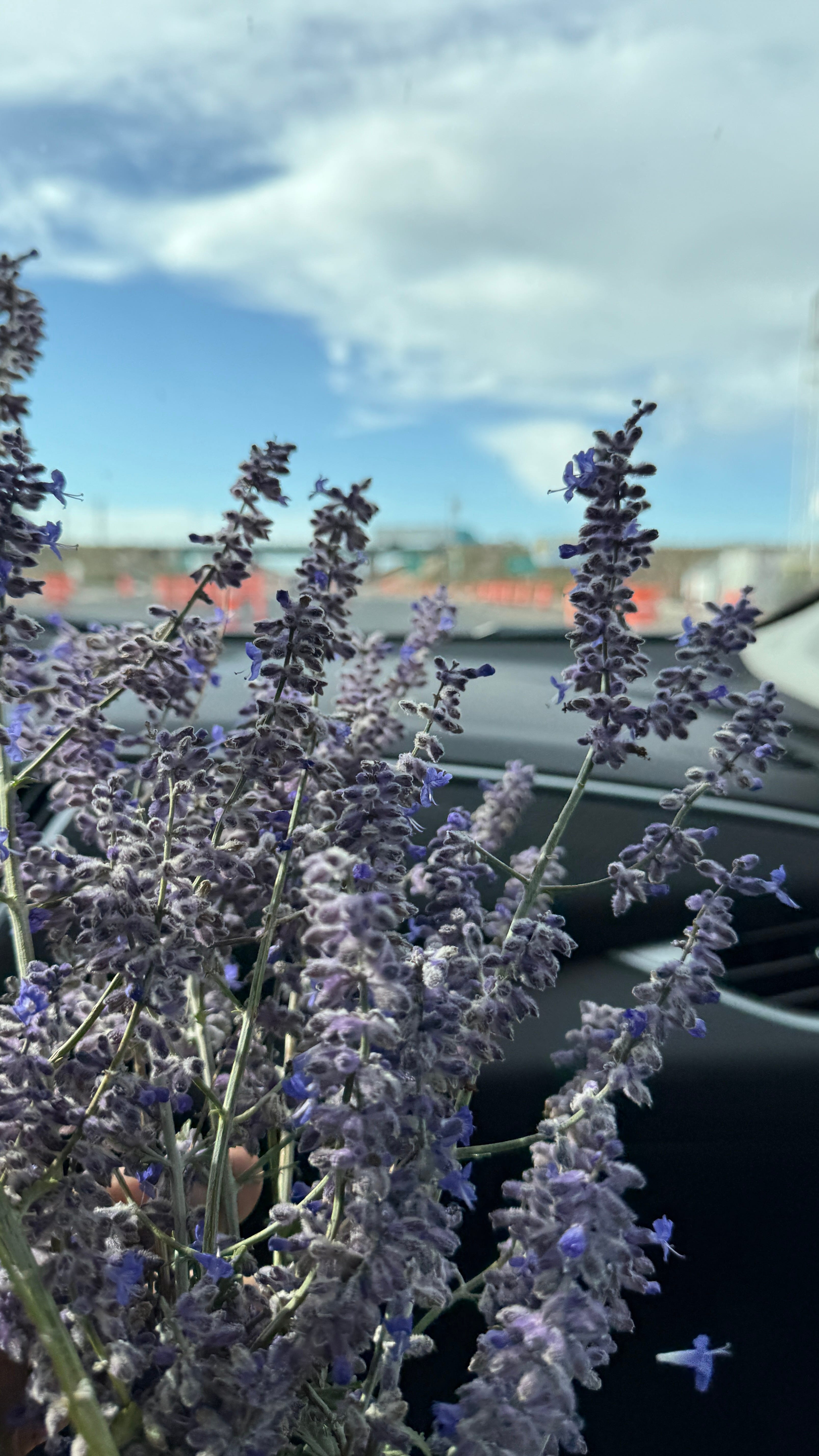
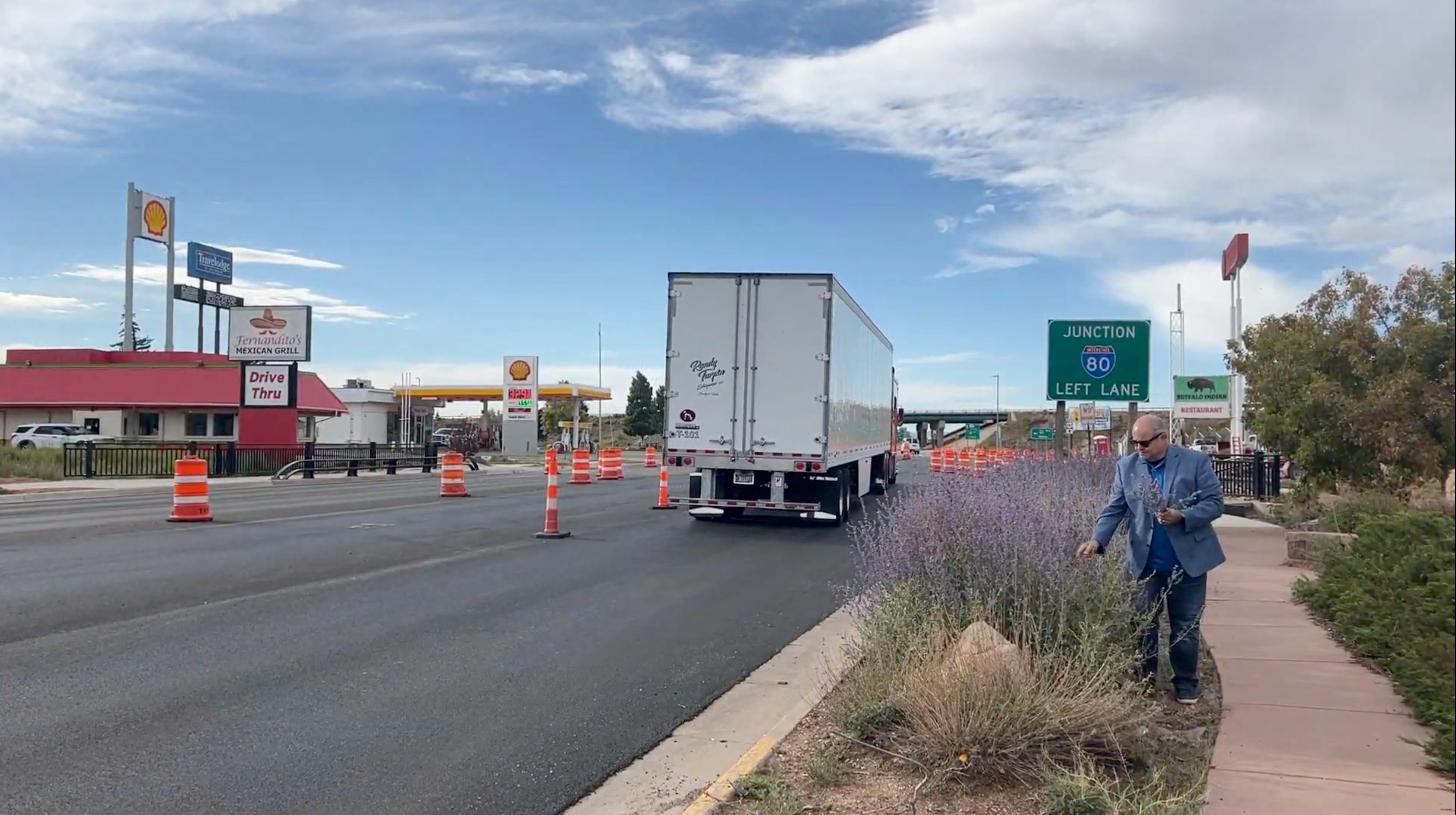
Decades after his murder, I traveled to Wyoming to be there for Matthew in his darkest moment. On the way to the site, I picked sage flowers near the I-80 on-ramp — very possibly the same route the killers drove out of Laramie as they beat him in the truck. Holding the flowers, I thought about how terrified he must have been on that ride.
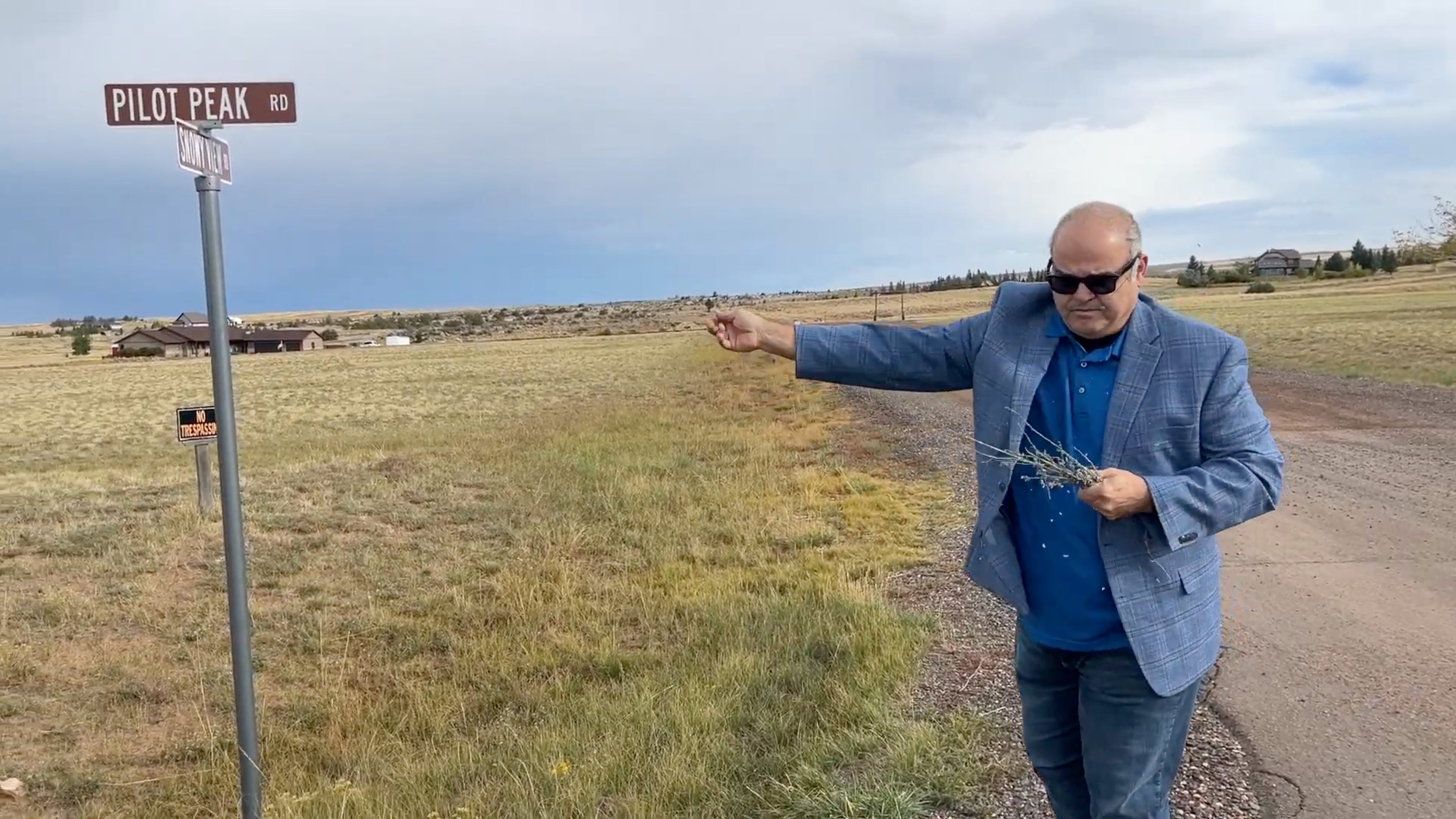
The site itself was difficult to find. No one in town seemed to know exactly where it was. There was no marker, no monument, nothing to acknowledge that dark moment. Even the fence was gone. At the intersection of Pilot Peak Road and Snowy View Road, a brown street sign stood where time had changed the landscape — once a desolate stretch, now a rural field dotted with distant homes. Just beyond it, a “No Trespassing” sign revealed the destination — warning us away, as if to push back even against memory.
There, I stopped and turned counterclockwise in a circle as I released the flowers into the Wyoming wind. With this gesture, I aimed to connect with him across time — to be there for him. To bring peace to his anguish. To offer a breath of compassion filling the air he once breathed.
As the flowers lifted on the breeze, I imagined them entering the space between us — the very air Matthew once breathed in his last moments. Though his eyes were bloodied, though he was already fading, I thought of bringing them close to his nose so he could smell them — as a final act of dignity, tenderness, and humanity.
As I continued pulling the flowers into the air, their stems lay bare. I was left clutching raw, bent sticks. I thought of all the suffering endured, and all the suffering yet to come. In their crude shape, the stems became the fence in my hand — the rough reminder of Matthew’s last hours. I lifted them to my lips and kissed them. He was no longer there.
He is in the air we breathe.


Participate
The week of October 6–12 is significant for the LGBTQ+ community as it marks the anniversary of Matthew Shepard’s attack and subsequent death in 1998. While not an official observance week, this period is often used for remembrance and advocacy against hate crimes.
Join this simple act of remembrance and solidarity. By performing "The Air Between Us," you transform a flower into a gesture of compassion, honoring those who have suffered violence or hate and filling the shared air between us with dignity and love.
Step 1: Flower Turn
Hold a flower and turn counterclockwise in a circle, conceptually turning back time.Step 2: Petal Release
Release the petals into the air as you turn.Step 3: Stem Kiss Breathe
Hold the bare stem. Kiss it. Breathe deeply. Keep the stem as memory.
Document your act and share it on social media: #TheAirBetweenUs and tag @cortadafoundation
About
On September 16, 2025, artist Xavier Cortada performed “The Air Between Us” to honor Matthew Shepard and stand with all who continue to face hate crimes across America, across the hemisphere, and across the world. By filling the air with fragrant flowers, Cortada sought to transform the space where hatred once lingered into one with love and connection — a reminder that violence and cruelty yield to compassion and remembrance, and that the air between us links us across space, across time, and across lives.
Cortada has a history of responding to moments of collective grief and injustice through ritual and performance. Shortly after Matthew’s death, he created a painting honoring him and donated it to SAVE Dade, Miami’s leading LGBTQ+ advocacy organization, where his husband was a founding board member. Since then, his socially engaged art practice has spanned six continents, from creating environmental installations at the North and South Poles to memorial projects that honor lives lost to violence, cancer, AIDS and COVID-19. Through these works, Cortada transforms personal gestures into shared rituals, offering communities a way to remember, heal, and act.